What Is a Mobile Pass? A Guide for Destinations and Local Organizations

.png)
What Is a Mobile Pass?
A mobile pass is a digital version of a ticket, coupon book, or passport that people carry on their smartphone. Instead of picking up a paper booklet at a visitor center, a passholder signs up online, gets the pass by text or email, and uses it to check in, redeem offers, or show proof of purchase at participating locations.
You've probably used one already. Boarding passes, concert tickets, and loyalty cards on your phone are all mobile passes in the broad sense.
In tourism and community marketing, the term usually means something more specific: a mobile experience pass. That's a curated collection of local businesses, attractions, or events bundled into one digital pass, built to get people out exploring. A beer trail, a restaurant week, a holiday light tour, a citywide attractions bundle – each one can run as a mobile pass.
How Does a Mobile Pass Work?
Most mobile experience passes follow the same basic flow:
- Sign up. A visitor or local finds the pass on a website, social post, or QR code and signs up with a phone number or email. Paid passes take payment at this step.
- Get the pass. The pass arrives by text or email as a mobile web link. With Bandwango, passes don't require an app, so there's nothing to download and nothing to forget the password for.
- Go explore. Passholders visit participating locations and check in, redeem a discount, or scan in for admission right from their phone.
- Earn and share. Many passes reward activity with prizes, points, or leaderboard spots, which gives people a reason to make one more stop.
- Report. The organization running the pass sees sign-ups, check-ins, redemptions, and opt-ins in real time, so they can prove results to partners and stakeholders.
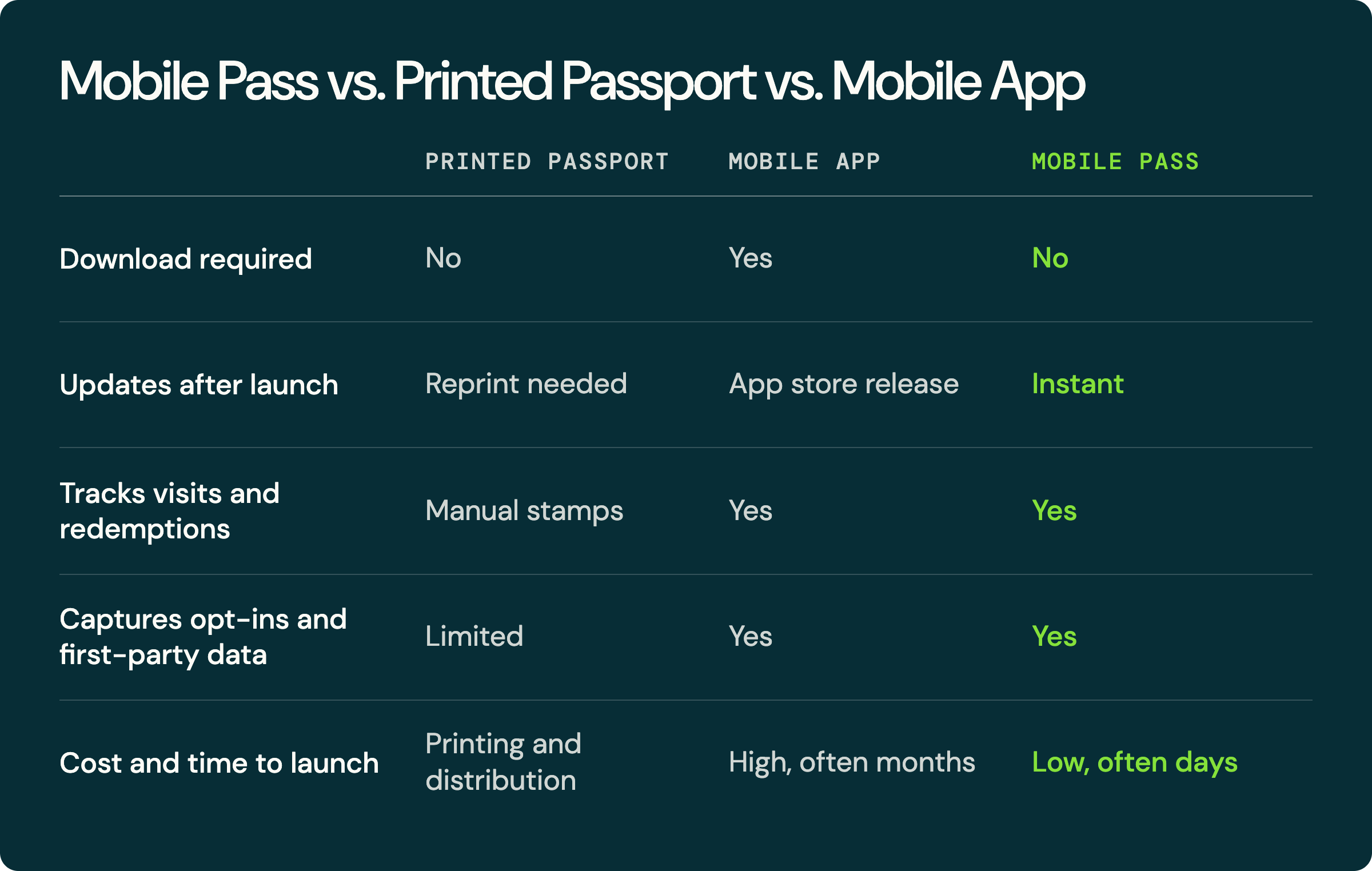
That last step is a big reason organizations move from paper to mobile. A printed passport tells you how many booklets you handed out. A mobile pass tells you who used it, where they went, and when.
Mobile Pass vs. Printed Passport vs. Mobile App
Pigeon Forge's Department of Tourism made the switch from printed coupon books to a digital savings passport in 2022. Since launch it has brought in nearly 24,000 sign-ups and more than 7,000 coupon redemptions, and visitors can plan their savings before they even arrive. Read the Pigeon Forge case study.
Who Uses Mobile Passes?
Destination marketing organizations (DMOs) are the biggest users, but they aren't the only ones. (New to the term? Here's our guide to what a DMO is.) Organizations running mobile passes today include:
- DMOs, CVBs, and state tourism offices promoting trails, attractions, and seasonal campaigns
- Chambers of commerce and downtown associations driving foot traffic to members
- Wine, beer, and agricultural associations connecting fans with producers
- Universities turning campus visits into city experiences
- Nonprofits and membership organizations rewarding donors and members
- Event and festival organizers selling tickets and managing entry
Bandwango alone works with 500+ clients and has created over 5,000 passes, with more than $25M driven to local businesses.
What Are the Different Types of Mobile Passes?
The right pass type depends on what you want people to do: explore, save, buy, or attend. Here are the main types, each with a real example.
Check-In Challenge
A Check-In Challenge rewards passholders for visiting locations. People earn points for each check-in and win prizes as they go. These passes are usually free to join and work well for trails, scavenger hunts, and bucket lists.
Explore Cabarrus turned its Burger Madness campaign into a check-in pass. In March 2026 alone, it drove an estimated $160,000+ in sales at local restaurants, sold more than 9,500 burgers, and logged 2,524 check-ins from passholders in 14 states. Read the Explore Cabarrus case study.
Other check-in examples worth a look:
- Visit Dublin's Espresso Martini Trail sent $45,000+ to local bars and restaurants in a single off-peak month. Read the case study.
- Destination Toledo's Coffee Quest 419 drove $200,000+ in spending at local coffee shops in 3 months. Read the case study.
- Missouri Wines' loyalty pass has logged 35,431 check-ins from 7,454 passholders. Read the case study.
- Frankenmuth's Great Gnome Hunt has driven more than 9,000 visits to local businesses in a town of about 5,000 residents. Read the case study.
Savings Pass
A Savings Pass packages discounts and offers from businesses across a community into one free digital pass. It's the modern replacement for the coupon book, and it gives visitors a reason to spend locally.
Visit Central Florida's Sunshine Savings Pass saw about 45% growth in redemptions year over year, which means visitors aren't just signing up – they're out using it. Read the Visit Central Florida case study.
Savings passes work for residents too. Visit St. Pete Clearwater's 727 Day Savings Passport thanked locals with deals from local businesses and earned a big wave of media coverage along the way. Read the case study.
Paid Attractions Pass
A Paid Attractions Pass bundles admission to multiple attractions at a discount. Passholders buy once and save, and attractions get paid automatically.
The Alabama Tourism Department has sold 16,372 passes, generating $538,489 in ticket sales for local attractions. Read the Alabama case study.
Experience Columbus used its Columbus Attractions Pass to give day-trippers a reason to stay the night. The pass has generated more than $130,000 in sales for local attractions and helped contribute to 700,000+ added overnight visits. Read the Columbus case study.
Paid Tasting Pass
A Paid Tasting Pass sells tastings or flights at wineries, breweries, cideries, and distilleries in one purchase.
The Calistoga Chamber of Commerce launched its Winter in the Wineries pass to fill the off-season and drove $135K+ in sales. One winery, Chateau Montelena, accounted for about $40,000 of that on its own by actively promoting its promo code. Read the Calistoga case study.
In New York's Finger Lakes, Yates County grew sales of its $45 Keuka Lake Wine Trail pass by 150% in 2025. Read the Yates County case study.
Restaurant Week/Month Pass
A Restaurant Week/Month Pass runs for a limited window and sends diners to participating restaurants, often with voting, prizes, or a charity tie-in.
The Downtown Dining Association of South Bend has generated $440,778 in trackable revenue for local restaurants across its events, and it added in-pass voting to keep diners engaged. Read the South Bend case study.
Food passes also travel well in the press: the Detroit Pizza Pass generated 100 million earned media impressions. Read the Detroit case study.
Event and Festival Ticketing
Event and Festival Ticketing puts tickets, entry, and on-site perks in the same mobile pass. The Utah Pride Festival generated $700K+ in ticket sales this way.
Arizona Wine Events and Willcox Wines added wristband ticketing to their festivals, combining entry, tastings, and age compliance in one system. Read the Arizona case study.
Itinerary Pass
An Itinerary Pass curates a route or set of stops around a theme, giving visitors a ready-made plan for a day or weekend. It's a good fit for scenic drives, heritage trails, and first-time visitors who want someone local to tell them where to go.
Why Do Destinations Use Mobile Passes?
Mobile passes give destinations something most marketing channels can't: proof that a campaign put people inside local businesses. The most common goals:
- Drive measurable local spending. Check-ins and redemptions tie directly to visits, and many partners can attach a dollar figure to each one.
- Fill slow seasons. Calistoga, Dublin, and Toledo all built passes specifically for their off-peak months.
- Spread visitors out. Travel South Dakota logged 80,000 pass check-ins across 4 tourism regions while steering visitors toward hidden gems. Read the case study.
- Grow an email list. Visit PA's Scooped Ice Cream Trail brought in 16,000+ newsletter opt-ins alongside nearly 56,000 creamery visits. Read the Visit PA case study.
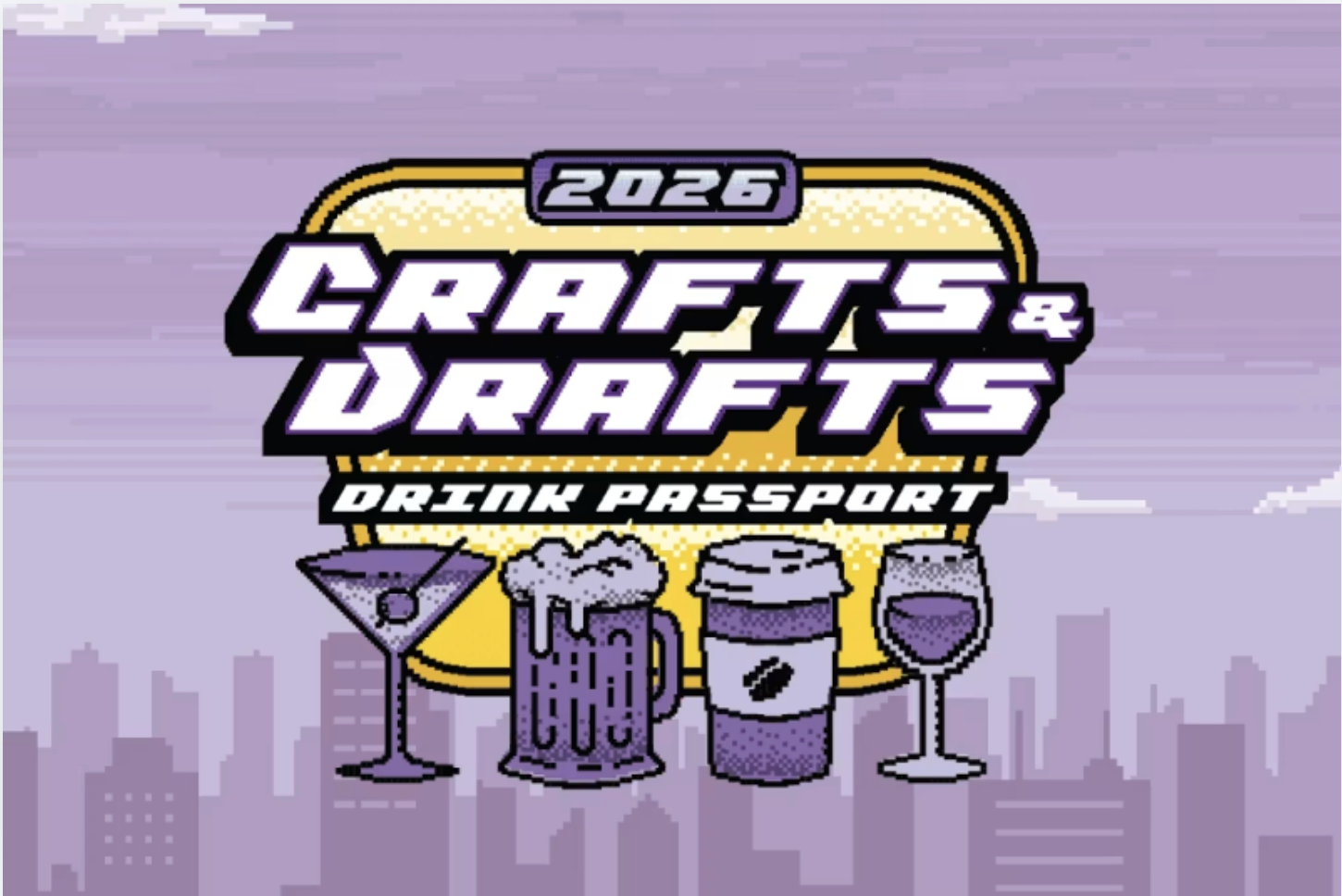
- Prove ROI to stakeholders. Visit Colorado Springs found in its attribution reports that its nearly 10-year-old Crafts & Drafts Passport is still one of its top campaigns for driving visitation. Read the case study.
- Win and keep partners. Experience Grand Rapids uses its passes as a reason for local businesses to join and stay. Read the case study.
How Do You Create a Mobile Pass?
With a platform like Bandwango, you build the pass yourself in Experience Builder, and you can launch your first pass in under an hour. The basic steps:
- Pick a goal. Off-season traffic, overnight stays, list growth, partner value. The goal points you to the right pass type.
- Choose a theme. The best passes lean into something your community already does well: burgers in Cabarrus, scenic swings in West Virginia, gnomes in Frankenmuth.
- Recruit partners. Line up participating businesses and decide what each one offers (a discount, a tasting, admission, or just a check-in).
- Set rewards and an end date. Prizes give people a reason to keep going, and a defined window creates urgency.
- Launch and promote. Share the sign-up link across your website, email, social, and partner locations.
- Measure and report. Pull check-ins, redemptions, and opt-ins to show partners and stakeholders what happened.
For more on what works, here are tips from DMOs who've built successful passes.
Frequently Asked Questions
What is a mobile pass?
A mobile pass is a digital pass stored on a smartphone that gives the holder access to tickets, discounts, check-ins, or rewards at participating locations. In tourism, it usually refers to a mobile experience pass that bundles local businesses into one trail, savings pass, or attractions bundle.
Do you need an app to use a mobile pass?
Not always. Bandwango passes are delivered by text or email as a mobile web link, so passholders don't download anything.
Are mobile passes free?
It depends on the type. Check-In Challenges and Savings Passes are usually free to passholders. Paid Attractions Passes, Paid Tasting Passes, and event tickets are purchased, and participating businesses get paid out.
What is the difference between a mobile pass and a digital passport?
The terms are mostly interchangeable. "Passport" usually describes a trail or check-in style pass where people collect visits, while "mobile pass" is the broader term that also covers savings passes, paid passes, and tickets.
How do organizations measure mobile pass success?
The most common metrics are sign-ups, check-ins, redemptions, revenue generated for partners, email opt-ins, and where passholders came from.
Ready to Build Your Own Mobile Pass?
Whether you want to fill a slow season, sell attraction bundles, or give locals a reason to explore their own backyard, there's a pass type built for it. Browse real pass examples or talk to our team about what a pass could do for your community.


.png)




.png)

.png)


.png)
.png)
.png)
.png)
.png)
.png)
.png)


.png)

.png)

.png)



.png)

.png)
.png)
.png)
.png)
.png)
.png)
.png)
.png)
.png)
.png)

.png)
.png)
.png)
.png)
.png)
.png)
.png)
.png)
.png)
.png)
.png)
.png)
.png)
.png)
.png)
.png)
.png)
.png)


.png)
.png)







.png)


.png)
.png)


-min.jpg)