
What Destination Marketers Are Talking About Right Now: Takeaways from Q1 2026

The Shift from Marketing to Product
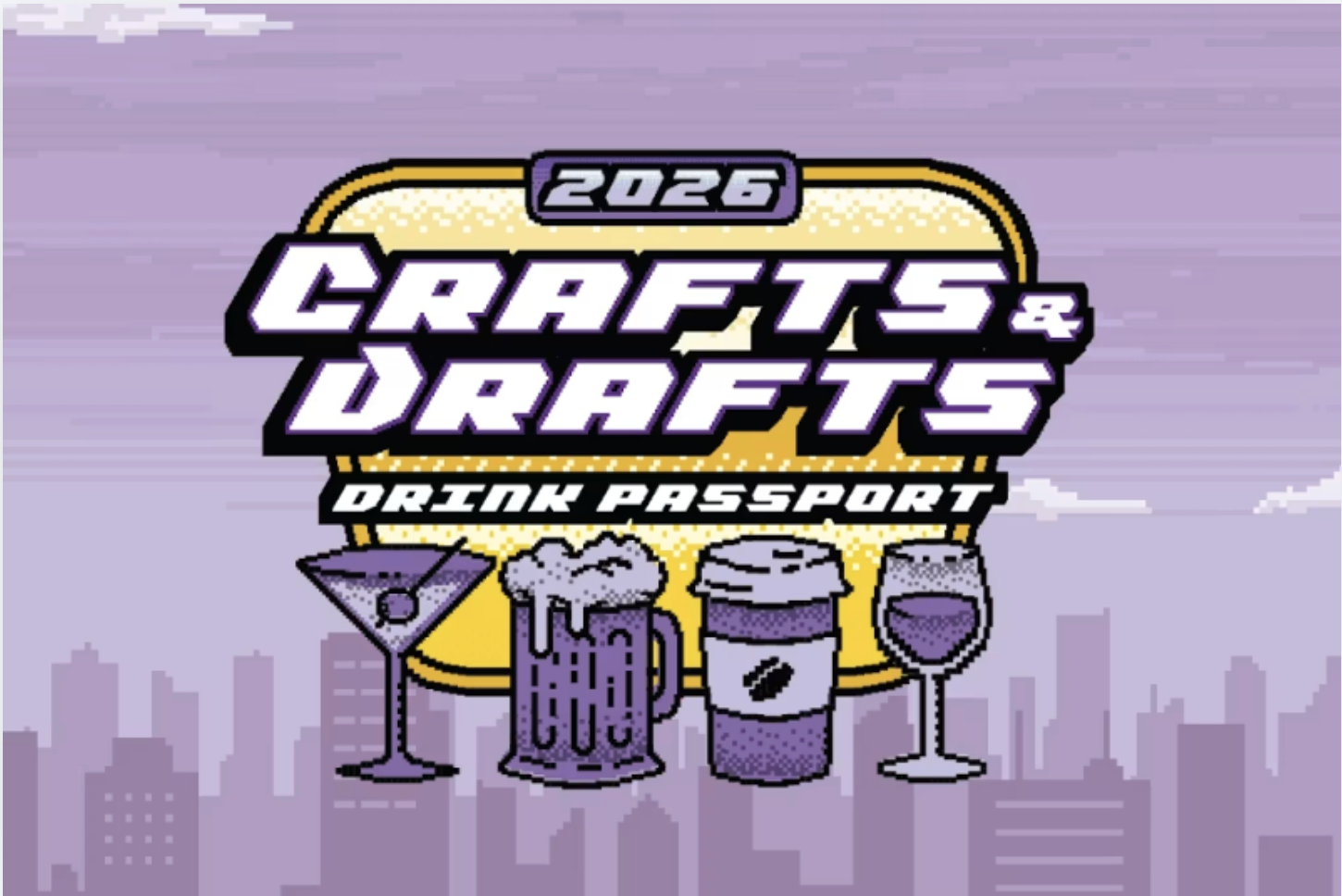
This was the single loudest signal across every event we attended. Destinations are moving beyond promotion and into experience design. The expectation now is that DMOs don't just tell people what to do — they create structured, bookable products that make it easy to actually do it. Passes, trails, packaged itineraries — these aren't nice-to-haves anymore. They're becoming the core of how destinations convert interest into action and "things to do" into things to buy.
Data Is No Longer a Reporting Tool — It's the Strategy
At the Minnesota Tourism Conference, the conversation around data had moved well past dashboards and year-end reports. Traveler sentiment and behavior are now shaping decisions in real time. Destinations want first-party engagement data — clicks, saves, redemptions — not just to measure what happened, but to decide what to do next. The DMOs getting ahead are the ones treating data as a decision engine, not a rearview mirror.
AI Got Practical
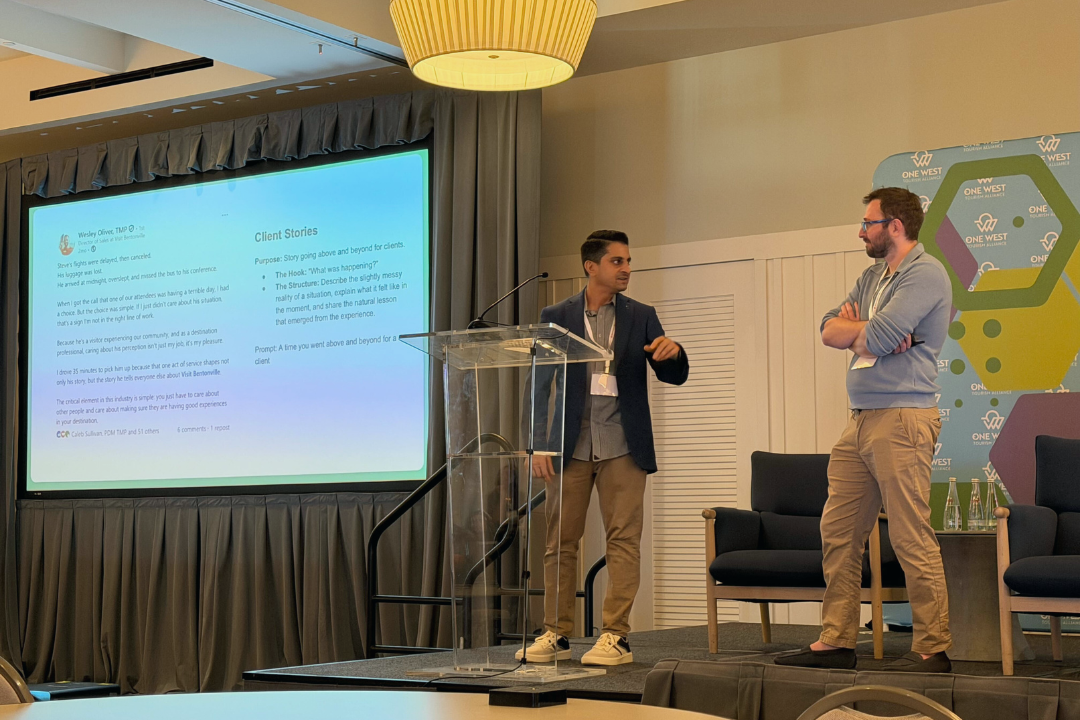
A year ago, AI sessions at tourism conferences were heavy on hype and light on application. That's changed. Across the circuit this quarter, the focus was on real, low-cost use cases: content creation, automation, trip planning tools. The industry isn't asking "should we use AI?" anymore — it's asking "how do we plug it into what we're already doing?" At OneWest Tourism in Oceanside, Bandwango CEO Mo Parikh took this a step further, challenging DMOs to rethink the "build vs. buy" decision entirely — arguing that the bottleneck has shifted from technical skill to clarity of thinking, and that destinations willing to define problems precisely can now move from idea to working product faster than ever.
Experiences Are Economic Infrastructure
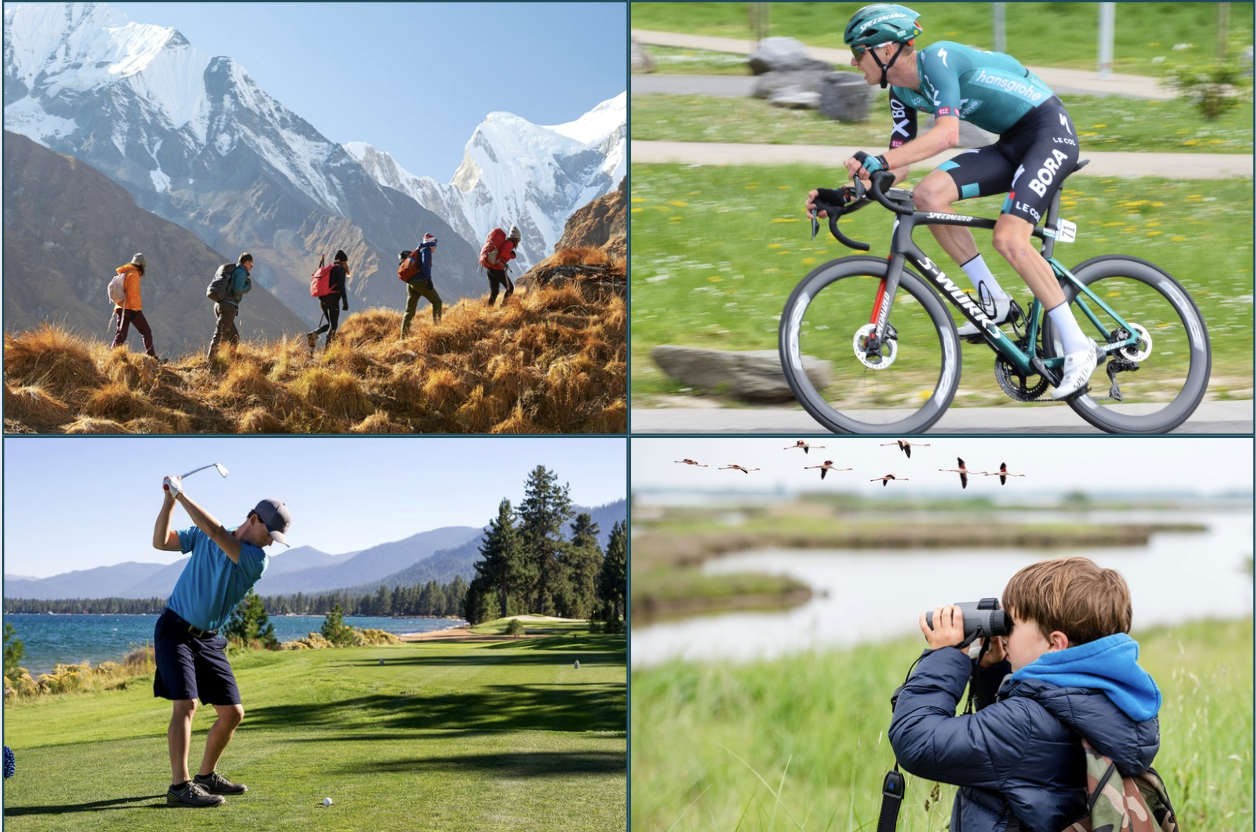
Festivals, outdoor recreation, culinary tourism, creative programming — these are no longer treated as side attractions. They're core economic drivers, and destinations are investing in them accordingly. Oregon's tourism conference dedicated significant attention to food and agritourism strategy, positioning local food not as a niche interest but as a primary tourism driver and storytelling asset. The "farm to fork to public market" framing showed up repeatedly, and it signals a broader truth: destinations that can package and scale their unique experiences are the ones generating ongoing revenue, not just seasonal spikes.
Community Impact Is the New KPI
Across multiple conferences, success was increasingly measured by local economic benefit and stakeholder alignment — not just visitor counts. Destinations want to show that tourism dollars are reaching local businesses, that foot traffic is trackable, and that the community is a participant in the tourism ecosystem, not just a backdrop. This is a meaningful shift in how DMOs justify their budgets and design their programs.
Fragmentation Is Still the Core Challenge
For all the progress the industry is making, one challenge keeps coming up: connecting the dots. Destinations still struggle to link their businesses, experiences, and strategy into a cohesive system. The DMOs we talked to in Oceanside, Oregon, and Minnesota are all looking for connective infrastructure — something that unifies the fragmented pieces of their tourism ecosystem into a single, manageable platform.
Cross-Border Travel Is Top of Mind
One theme that surfaced with particular urgency was Canadian travel sentiment. Destinations near the border — and even those that aren't — are actively designing programs to attract and engage Canadian visitors. Discover Kalispell's "Welcome Back Canada" pass was a standout example of a destination moving quickly to meet this moment with a tangible, bookable product. It's a trend worth watching, and one where the destinations that move first will have a real advantage.
What It All Adds Up To
The through-line across every conference this quarter was clear: the industry is moving from storytelling to system-building. Destinations want resilience, not just campaigns. They want products, not just promotions. And they want infrastructure that connects the entire ecosystem — from the visitor's first click to the local business that benefits from their visit. If your destination is thinking about how to turn these trends into action, we'd love to talk about it.


.png)
.png)


.png)
.png)
.png)
.png)
.png)
.png)
.png)

.png)

.png)

.png)


.png)

.png)
.png)
.png)
.png)
.png)
.png)
.png)
.png)
.png)
.png)

.png)
.png)
.png)
.png)
.png)
.png)
.png)
.png)
.png)
.png)
.png)
.png)
.png)
.png)
.png)
.png)
.png)
.png)

.png)
.png)






.png)


.png)
.png)


-min.jpg)



%20(2).png)


.png)
.png)

