
How Destination Experiences Are Driving Off-Peak Visitation and Local Revenue

.png)
Turning Day Trips into Overnight Stays
One of the clearest ways to boost off-peak performance is by encouraging day visitors to stay overnight. Passes and trails that bundle experiences or incentivize multi-stop itineraries help visitors view a destination as worth more than a single afternoon.
For example, the Columbus Attractions Pass combined multiple attractions into a single digital offering. This pass not only supported attraction partners but also contributed to increased overnight visitation, with 700,000 overnight visits attributed to extended experiences and additional visitation metrics, all connected to broader destination engagement efforts. This demonstrates how packaging experiences can help shift the mix of visitors toward longer stays rather than quick day trips.
Similarly, experience design can turn themed events into reasons to book a room. In Williamsburg, Virginia, a Pancake Trail and Festival was built around the idea of the destination as the “Pancake Capital of the World.” Beyond being a fun activity, this model encouraged deeper engagement and overnight stays by connecting a trail of restaurants and attractions with lodging options.
Extending Engagement into Off-Peak Months
Engagement doesn’t need to be limited to peak seasons. Experiences designed around slower parts of the year can help sustain visitation and support local businesses when foot traffic typically declines.
In Calistoga, the Calistoga Chamber of Commerce launched the Winter in the Wineries paid tasting pass to address the destination’s winter slowdown, a period when wineries, restaurants, and shops traditionally see fewer visitors. The pass ran from December through mid-February and offered complimentary tastings at participating wineries, giving visitors a clear incentive to visit during the off-season.
The Winter in the Wineries Pass drove more than $135,000 in passport sales and increased Chamber revenue by over $10,000 compared to the previous year. Participating wineries also reported increased bottle sales and wine club sign-ups during a time of year that is typically quieter.
Together, these results show how experience-driven passes can help destinations extend engagement beyond peak months while delivering measurable economic value for local partners.
Dispersing Visitation and Easing Seasonal Pressure
Curated experiences also help spread visitation geographically and temporally. When visitors feel encouraged to explore beyond a single hotspot or weekend window, they are more likely to stretch their travel experiences in ways that benefit a broader set of partners.
Travel South Dakota’s Great Finds Passport highlights local recommendations and hidden gems across the state. Rather than concentrating visits in traditionally busy spots, this passport encourages a wider exploration pattern, helping to engage communities year-round and support economic activity beyond the most popular destinations. According to the case study, the program saw strong engagement with tens of thousands of check-ins and thousands of sign-ups, showing how destination experiences can support broader regional goals.
This dispersal effect also makes destinations more resilient to seasonal swings, shifting attention to “why visit” year-round rather than “when visit.”
Driving Local Revenue Across Business Types
One of the strongest arguments for experience-driven planning is the measurable impact on local revenue streams. Instead of relying on traditional marketing metrics like impressions, experiences generate structured interactions that map directly to economic behavior.
For downtowns and small businesses, this can be transformative. Downtown London’s series of trails and incentive challenges resulted in 46,047 check-ins since the last year and an estimated direct spending impact of roughly $460,000, plus additional prize-linked spending. By tying participation to local merchants and reporting data that could be shared with stakeholders, the program supported business revenues and downtown vitality.
By focusing on structured, portfolio-based experiences, destinations help small business categories that are often less visible in peak seasons — from coffee shops and eateries to attractions and lodging partners.
Conclusion
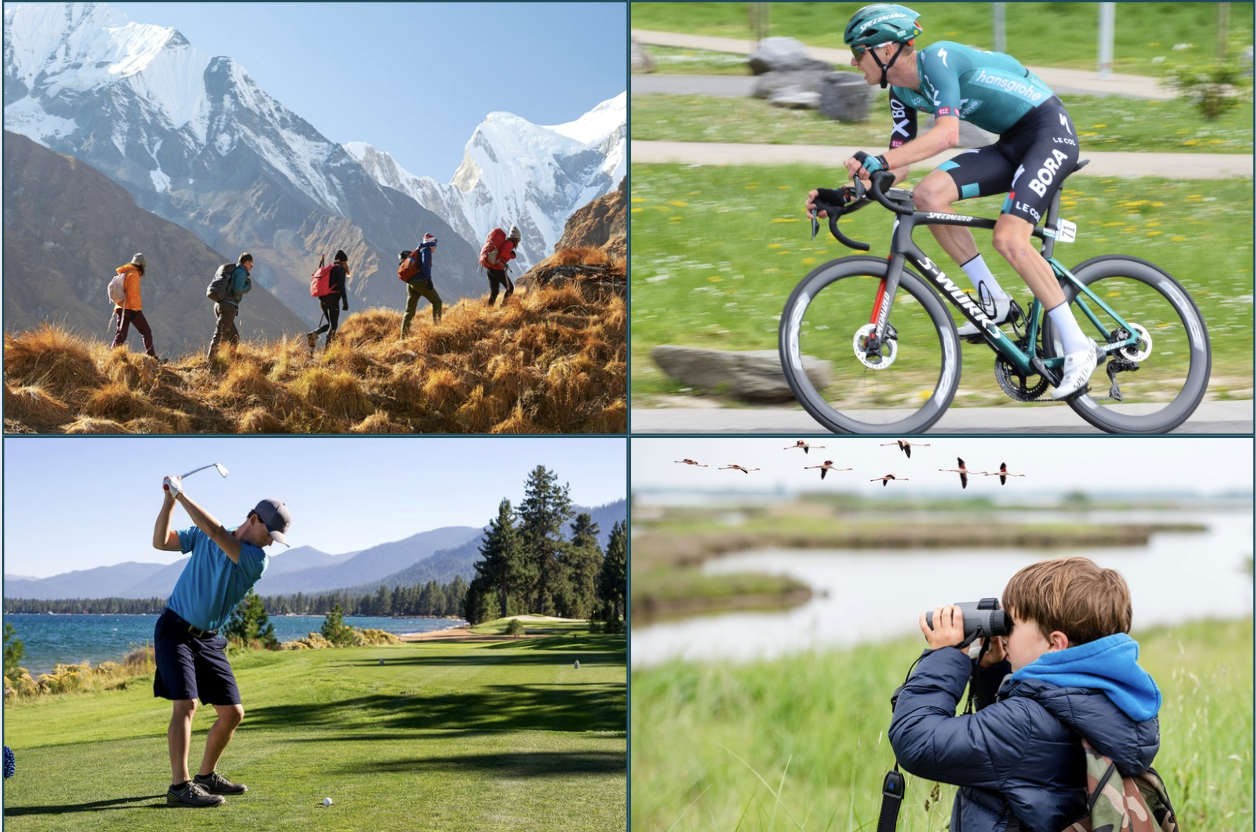
In a competitive tourism landscape, the ability to extend visitation beyond peak periods is a strategic advantage. Well-designed experiences, whether they are multi-attraction passes, themed trails, or niche interest engagements, are proving to be more than promotional tools. They are mechanisms for increasing overnight stays, supporting local economic impact, managing visitation patterns, and maintaining engagement throughout the year.
For DMOs planning campaigns in 2026, experience-driven strategies offer a strong framework for sustainable growth. By thinking beyond traditional timing and focusing on what makes your destination distinct, you can turn off-peak months into meaningful opportunities for visitors and local partners alike.


.png)

.png)


.png)
.png)
.png)
.png)
.png)
.png)
.png)

.png)

.png)

.png)


.png)

.png)
.png)
.png)
.png)
.png)
.png)
.png)
.png)
.png)
.png)

.png)
.png)
.png)
.png)
.png)
.png)
.png)
.png)
.png)
.png)
.png)
.png)
.png)
.png)
.png)
.png)
.png)


.png)
.png)







.png)


.png)
.png)


-min.jpg)



%20(2).png)


.png)
.png)

