
What We Learned at 2025 Conferences – and How We’re Applying It to 2026

.png)
Teams Want More Than Awareness — They Want Visibility Into What Visitors Actually Do
One of the most consistent themes we heard was frustration with the gap between promotion and proof. Teams talked openly about how hard it is to understand what visitors or students actually do once they arrive, and how often success is still measured by clicks, impressions, or static content performance.
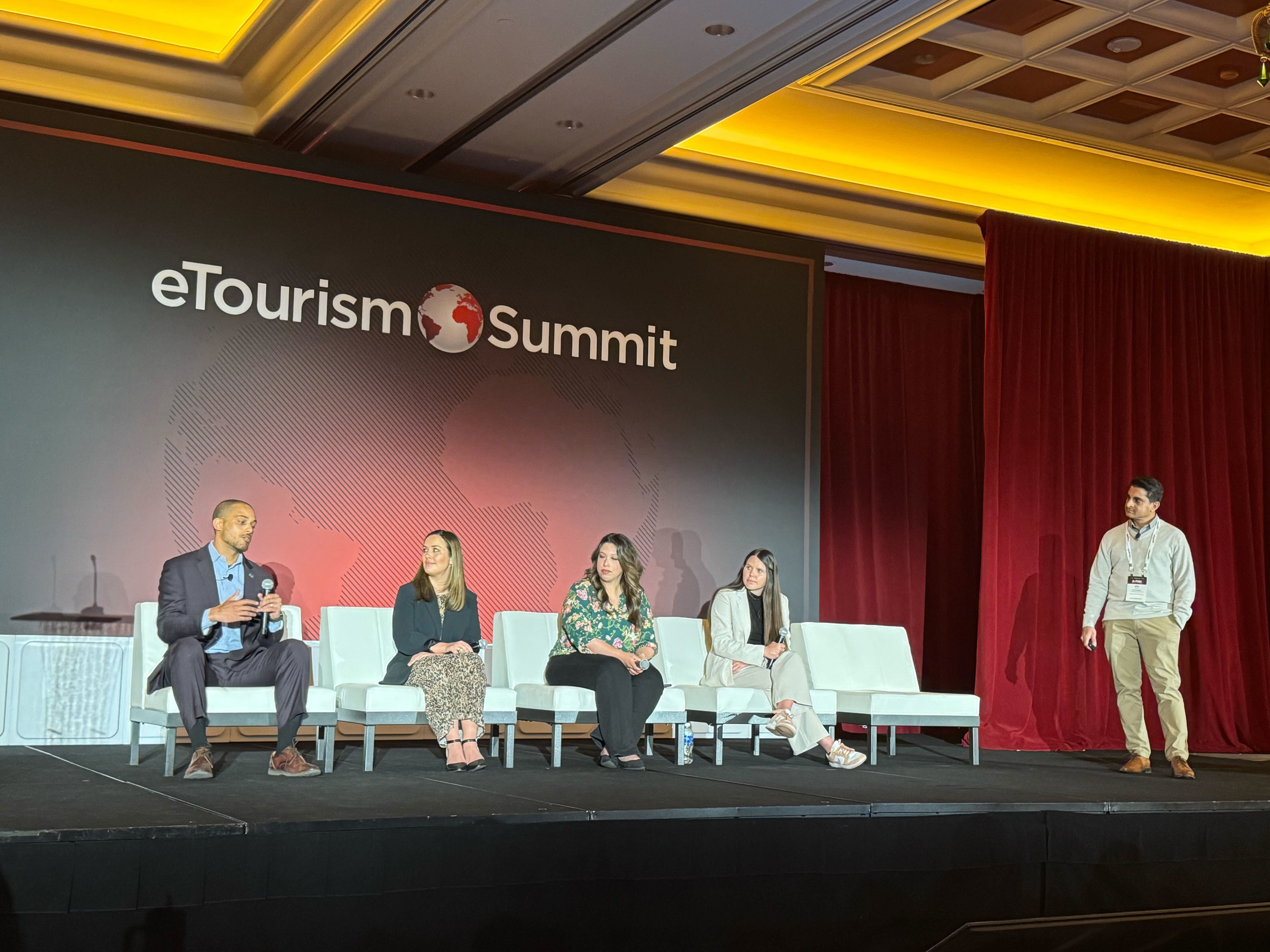
This came up repeatedly at conferences like eTourism Summit, Simpleview Summit, and CalTravel, and it was central to Mo’s on-stage message throughout the year: destinations can’t rely solely on inspiration anymore – they need visibility into engagement.
As we head into 2026, we’re continuing to focus on tools that connect marketing to real-world action, helping organizations understand participation, behavior, and outcomes – not just interest.
Itineraries Are a Top Priority, but Many Teams Lack a Way to Activate Them
Itineraries came up constantly in sessions and side conversations, particularly at the Visit California Outlook Forum and regional conferences. Destinations clearly see itineraries as valuable, but many teams acknowledged challenges turning those plans into something visitors actually follow once they’re in-market.
What stood out was how often itinerary conversations stopped at planning. The execution layer (connecting plans to engagement, participation, or learning) was frequently missing.
That gap is shaping how we think about itineraries today. Instead of treating them as static planning tools, we’re focused on how they can function as real-world experiences that people can actively follow, complete, and engage with once they arrive.
Road Trips and Regional Travel Are Driving Experience Design
Across multiple conferences, including Georgia GovCon, road trips and regional travel kept surfacing as major planning themes, especially in conversations around Route 66, America 250, and other large-scale travel moments. Rather than focusing on single attractions, teams talked about how visitors move through regions and make spontaneous decisions along the way.
What we heard consistently was a desire for better ways to capture those moments, especially when travelers are willing to go out of their way for a compelling experience.
Accessibility Is Shifting From a “Nice to Have” to a Core Expectation
Accessibility surfaced organically in more conversations than we’ve seen in past years, particularly at the Visit California Outlook Forum and eTourism Summit. Teams weren’t just asking how to be accessible, they were asking how to communicate accessible experiences clearly and consistently.
What stood out was a growing understanding that accessibility impacts trust, loyalty, and group travel decisions, and that incomplete or unclear information creates friction for visitors.
Participation Beats Passive Promotion Every Time
One of the clearest, most practical learnings from 2025 was how consistently interactive experiences outperformed static ones. Whether it was a conference challenge, a demo pass, or a simple QR-based experience, participation sparked better conversations and stronger recall.
We saw this across events like TACVB, One West, Simpleview Summit, and the Colorado Governor’s Conference. When people could do something, not just hear about it, engagement followed naturally.
This reinforced what we already know works, and it’s pushing us to continue innovating around experiences that put participation at the center.
Higher Education Teams Are Actively Looking Beyond Campus Boundaries
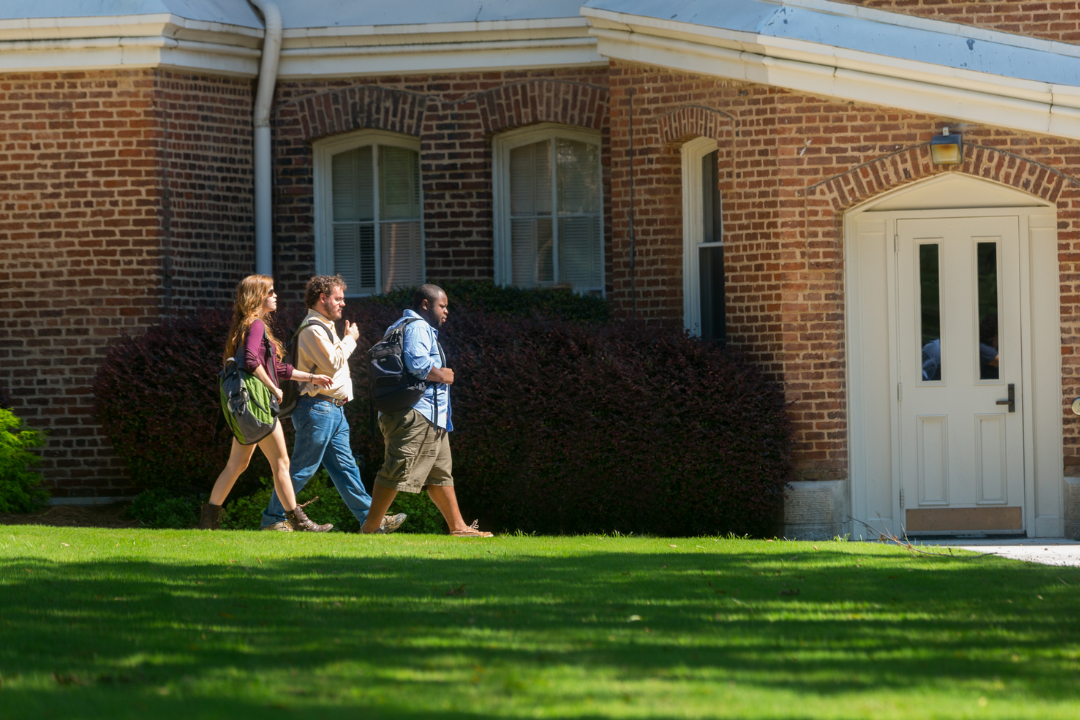
At higher education conferences like AMA Higher Education and NACAC, a consistent theme emerged: institutions want better ways to connect students to place (see our case study on University of Nevada, Reno). Admissions, orientation, yield, and engagement teams all talked about experiences that extend beyond campus – and how difficult those programs can be to manage cohesively.
Many schools are already running scavenger hunts, admitted-student experiences, and community-based events. What they’re looking for now is structure and scalability.
We’ve seen this momentum build, and it’s why we’re ramping up our focus on higher education – supporting campus-to-community experiences that help institutions connect students to place and tell a more complete story.
Peer Stories and Real Examples Build Trust Faster Than Any Pitch
Across conferences, one pattern was impossible to ignore: sessions and conversations grounded in real examples consistently resonated more than theoretical ones. When peers shared what they’d tried, learned, or adapted, trust followed.
This showed up clearly at events like eTourism Summit, Simpleview Summit, and state-level conferences, and it’s shaping how we think about visibility, education, and storytelling moving forward.
Looking Ahead to 2026
Across every conference, the message was consistent: organizations are being asked to do more than promote experiences – they’re being asked to understand, support, and prove their impact.
As we head into 2026, we’re applying what we heard by building experiences that move people from interest to action, helping teams gain clearer visibility into engagement, and designing tools that support real-world participation.
We’re grateful to everyone who shared ideas, challenges, and honest feedback along the way, and we’re excited to keep learning together.
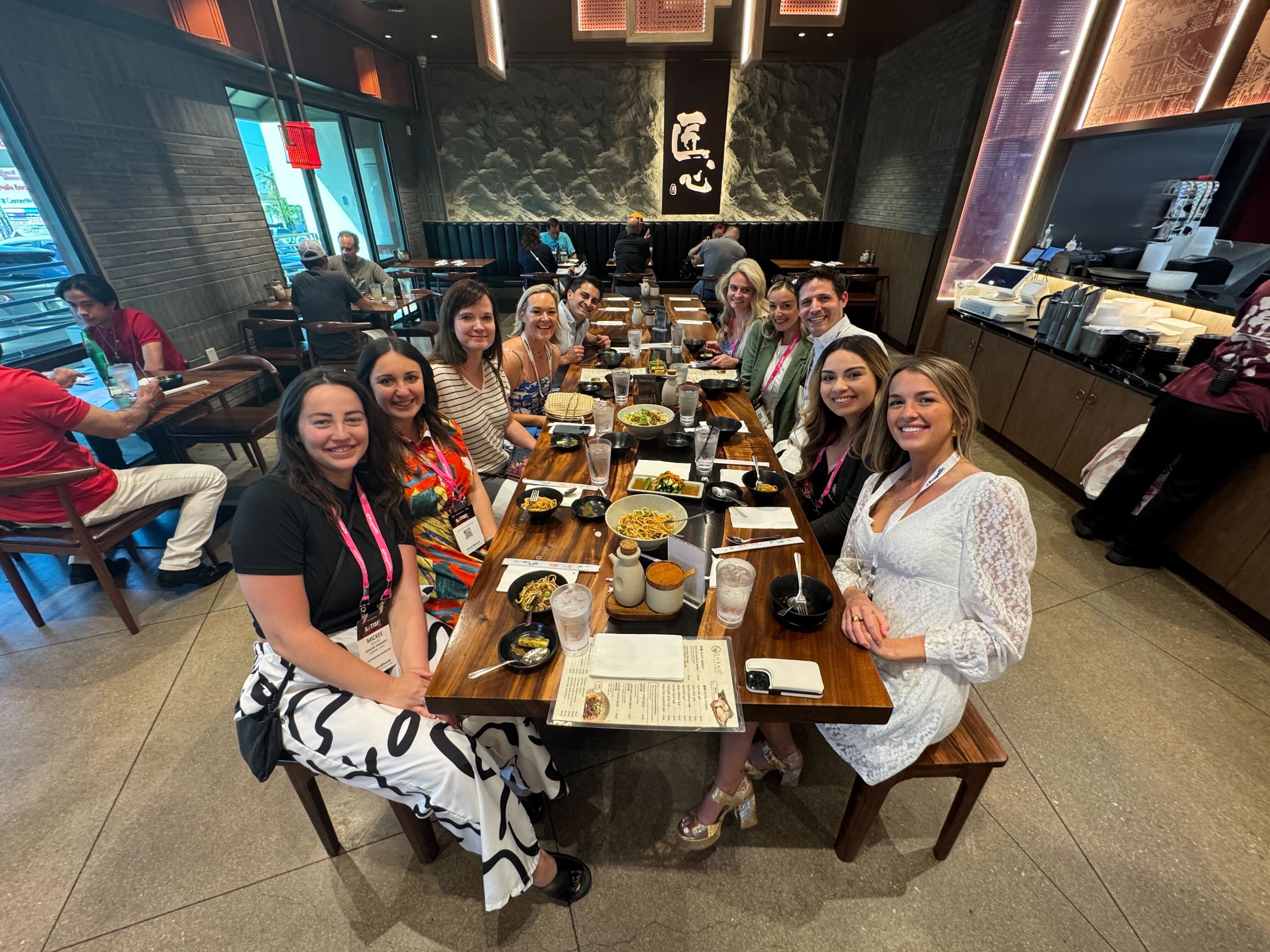
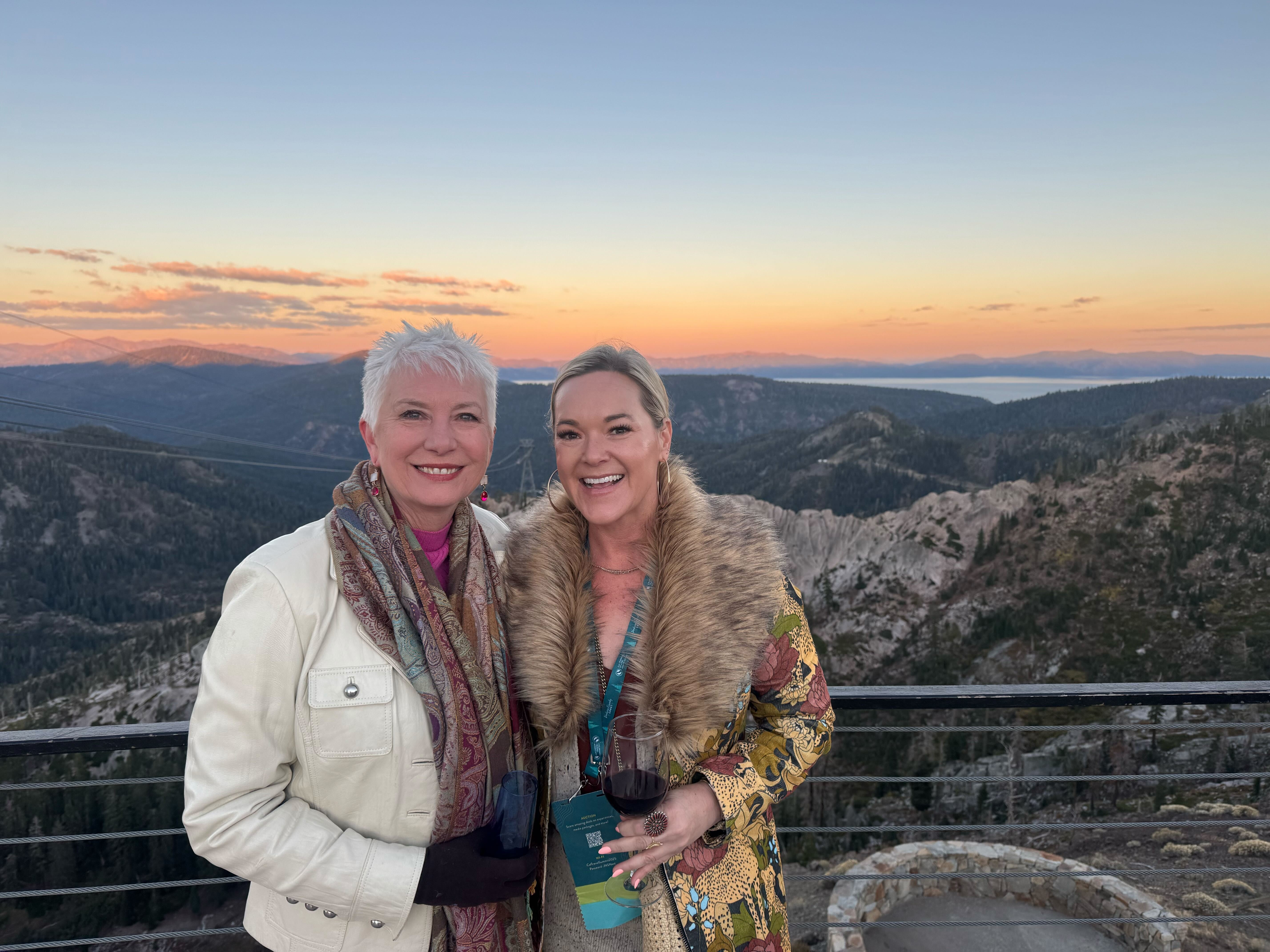
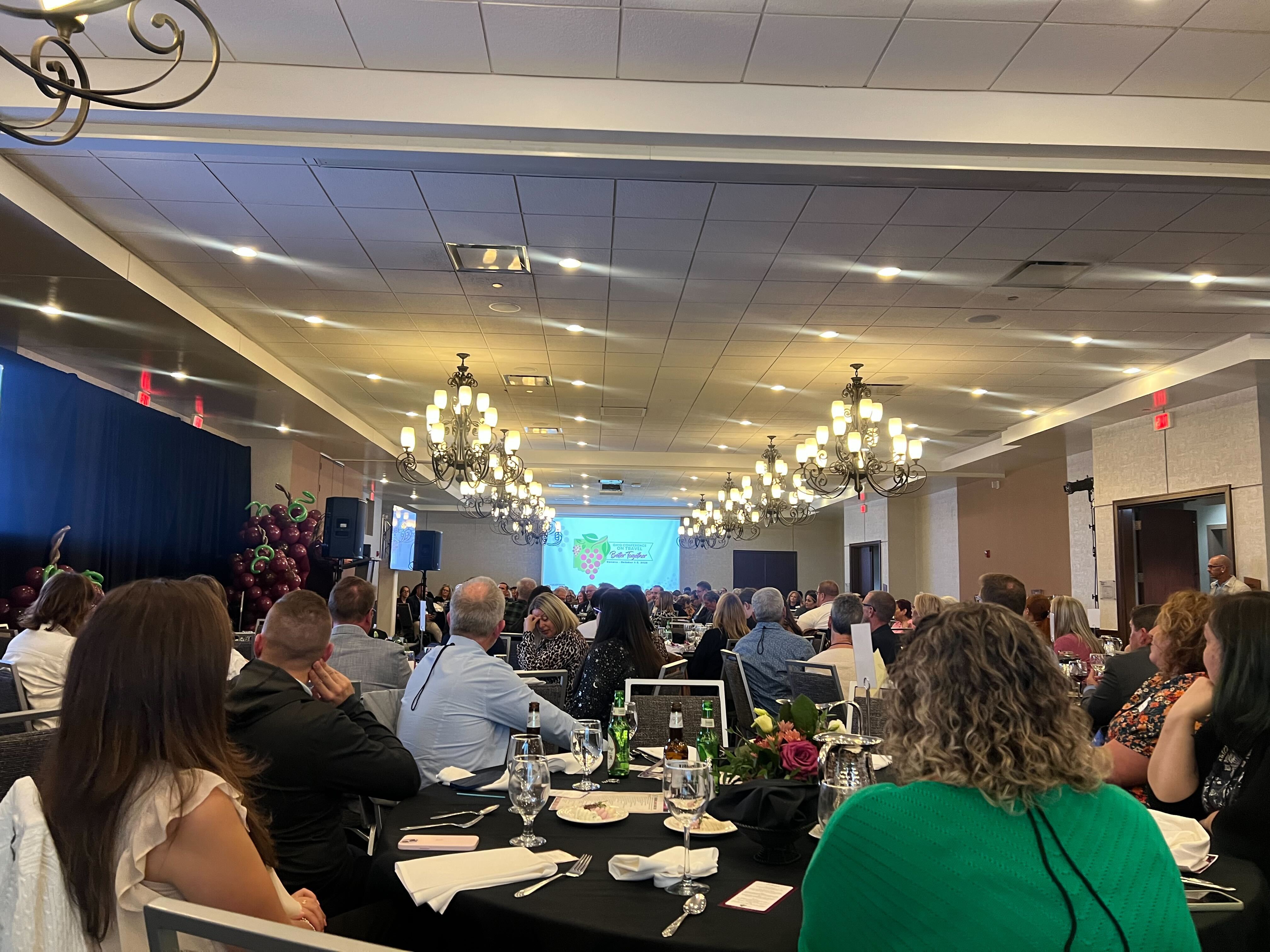
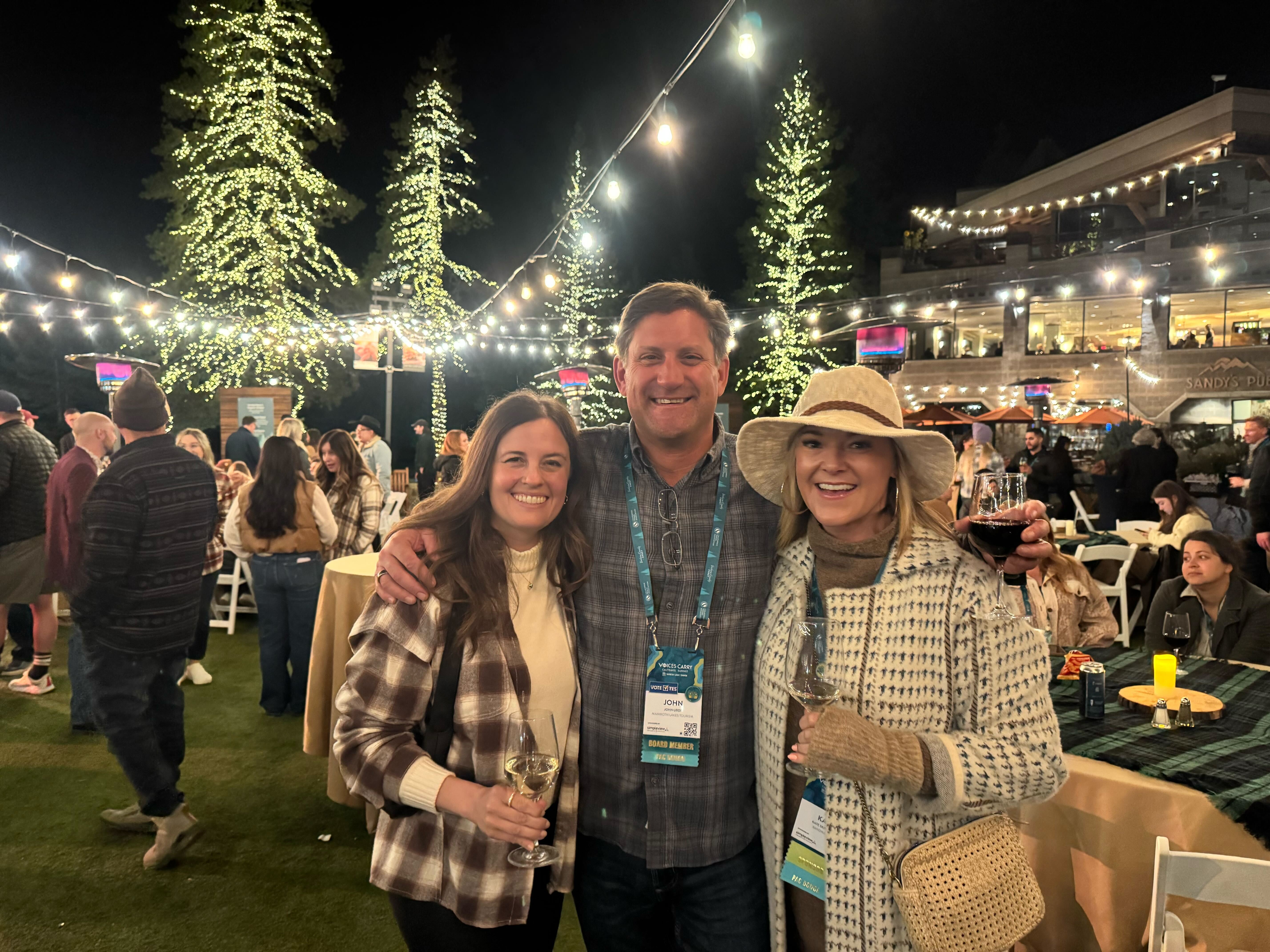
Check out some of our favorite moments in 2025!

.jpg)

.png)
.png)


.png)
.png)
.png)
.png)
.png)
.png)
.png)

.png)

.png)

.png)


.png)

.png)
.png)
.png)
.png)
.png)
.png)
.png)
.png)
.png)
.png)

.png)
.png)
.png)
.png)
.png)
.png)
.png)
.png)
.png)
.png)
.png)
.png)
.png)
.png)
.png)
.png)
.png)


.png)
.png)





.png)


.png)
.png)


-min.jpg)



%20(2).png)


.png)
.png)


.png)